


Services
LDDI specializes in outpatient gastrointestinal procedures, including:
Screening and diagnostic colonoscopy
Gastroscopy (upper endoscopy)
Sigmoidoscopy
Ileoscopy
Pouchoscopy
Intestinal Ultrasound
Evaluation of symptoms such as rectal bleeding, abdominal pain, diarrhea, and acid reflux
Monitoring for chronic conditions, including inflammatory bowel disease (IBD)
All procedures are performed using modern endoscopic equipment in an accredited, state-of-the-art facility.


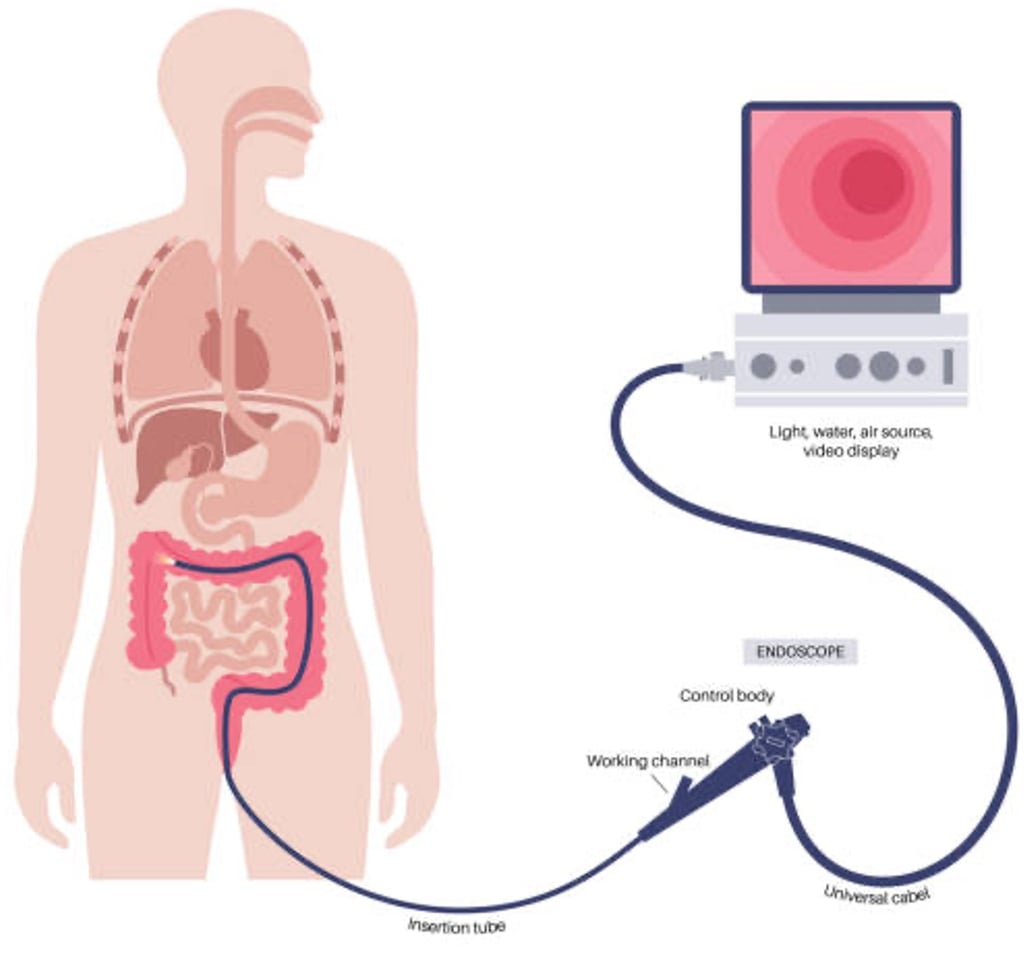
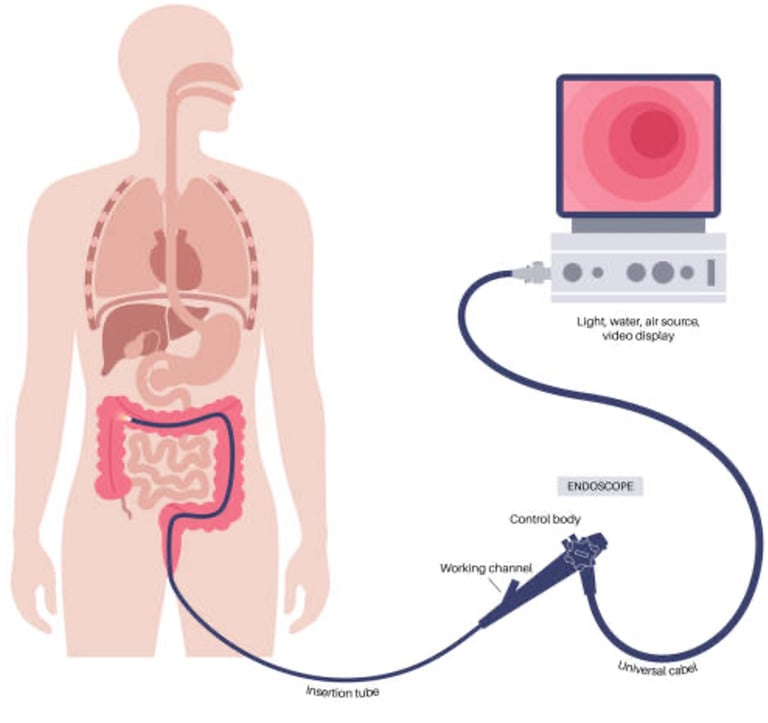
Colonoscopy
A test that uses a thin, flexible camera to look at the inside of your large intestine (colon) and sometimes the end of the small intestine. The camera is passed gently through the rectum.
Checks for inflammation, bleeding, ulcers, polyps, cancer, and causes of symptoms such as diarrhea, abdominal pain, or blood in the stool.
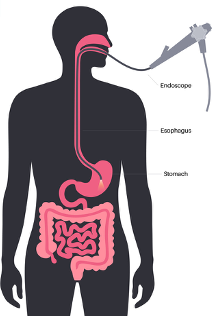
Gastroscopy (upper endoscopy)
A test that uses a thin, flexible camera passed through the mouth to look at the food pipe (esophagus), stomach, and the first part of the small intestine.
Investigates heartburn, nausea, vomiting, swallowing problems, abdominal pain, bleeding, or anemia.
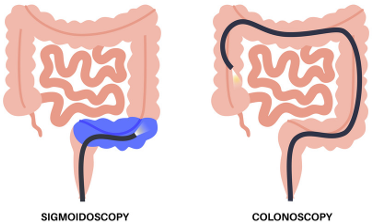
Sigmoidscopy
A test that looks at the lower part of the large intestine (rectum and sigmoid colon) using a thin, flexible camera passed through the rectum.
Assesses inflammation, bleeding, and disease activity in the lower bowel.
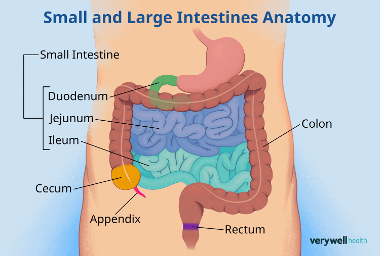
Ileoscopy
A test that looks at the end of the small intestine (ileum), usually done as part of a colonoscopy.
Detects inflammation, ulcers, or disease affecting the small intestine, such as Crohn’s disease.
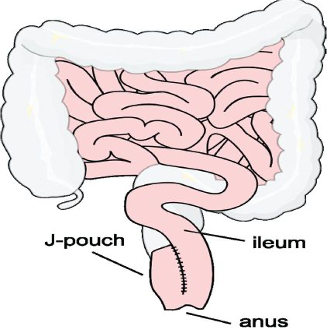
Pouchoscopy
A test that uses a thin, flexible camera to look at an internal pouch (such as a J-pouch) created during previous bowel surgery.
Checks for inflammation (pouchitis), infection, narrowing, or other problems with the pouch.
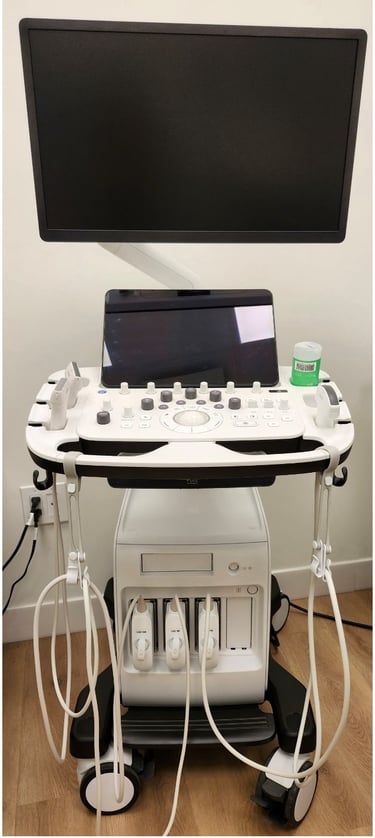
Intestinal Ultrasound
Intestinal ultrasound uses sound waves to check for inflammation in the small and large bowel
It is helpful for monitoring disease activity and response to treatment in Crohn’s disease and ulcerative colitis
It can also show complications such as fistula and abscess
Intestinal ultrasound is non-invasive and does not require taking any bowel preparation like you would do for a colonoscopy
There is no cost to patients for this test
Ask your gastroenterologist for a referral for intestinal ultrasound
Hours:
Monday - Friday: 7AM-4PM
Saturday: Appointment Only
Sunday: Appointment Only
Location:
Westmount Shopping Centre
785 Wonderland Rd. S., Suite 253A (Second Floor), London, ON, N6K 1M6
Contact:
Tel: (519) 204-6333
Fax: (226) 289-0281
General Inquires/Patient Forms: info@lddi.ca
Patient Experiences: feedback@lddi.ca
© 2025 London Digestive Disease Institute
All rights reserved.